A Career in Metalwork
Metalwork shapes almost every part of modern life — from the buildings we live in to the phones we use — by providing strength, durability, and functionality that other materials simply can’t match. It’s one of those invisible forces in society: you don’t always notice it, but you rely on it constantly.
All areas of our daily life rely on metalwork in some way or another, the main areas are listed below:
Buildings and infrastructure
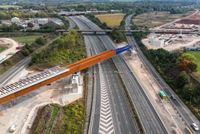
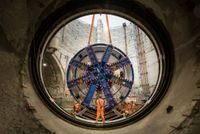
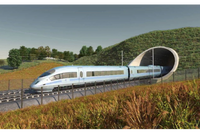
All areas of the HS2 Railway Project involve massive amounts of engineering and metalwork, in the construction and the finished railway.
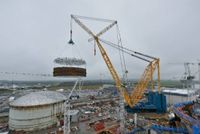
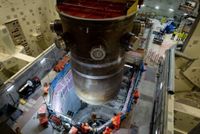
- Strength & Load-Bearing Capacity – Mild steel, stainless steel, and aluminium provide the structural backbone of buildings, bridges, and transport systems.
- Durability & Corrosion Resistance – Stainless steels and nickel alloys resist harsh environments, from coastal regions to industrial zones.
- Versatility – Available in plates, beams, bars, tubes, and wires, metals adapt to any scale of project.
1. Mild Steel
- Most widely used construction metal.
- Provides cost-effective strength for beams, rebar, and structural frameworks.
- Common in bridges, commercial buildings, and transport networks
2. Stainless Steel
- Used in architectural features, façades, and infrastructure exposed to weather.
- Chosen for corrosion resistance and aesthetics.
- Essential for food-safe and clean building environments (factories, hospitals).
3. Aluminium
- Lightweight yet strong.
- Used in cladding, roofing, window frames, and transport infrastructure.
- Supports modern sustainable design due to recyclability.
4. Specialty Metals (Nickel Alloys, Titanium, Zirconium)
- Applied in projects requiring extreme corrosion resistance (nuclear, chemical plants, offshore construction).
Applications in UK Construction & Infrastructure
- Bridges & Transport Networks – Mild steel and stainless steel for structural strength.
- Commercial Buildings & Skyscrapers – Aluminium cladding, stainless steel features.
- Energy Infrastructure – Nickel alloys and titanium for nuclear, wind, and hydro plants.
- Public Infrastructure – Stainless steel for transport hubs, hospitals, and schools.
- Heritage Restoration – Copper alloys and stainless steels for long-lasting upgrades.
military equipment

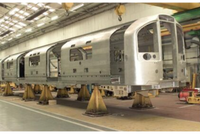
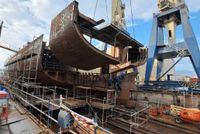
All types of military equipment involve metalwork in the manufacture, day to day use and repair, in the building of warships and submarines in particular, there are massive amounts of steel and armour plating this requires cutting shaping and welding together, some of the materials in the submarines is over 10 centimetres thick.
With the military aircraft, there are many different types of metallic and non-metallic materials, which still need to be cut and formed to different shapes using the same or similar techniques as many types of metallic materials.
Metalwork is also involved with the manufacture of all the ammunition, missiles and radar and surveillance equipment.
motor sport
%20(1).png/picture-200?_=19cde091fbe)
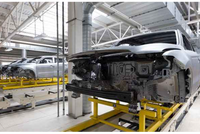
All types of motor sports involve metalwork, as well as joining and shaping complex designs in many different materials, involving cars, lorries and motor bikes, metalwork is involved in the design and development of the vehicles, through to the making of the vehicles, including running repairs during the race days.
As highlighted, metalwork features in many different areas of our daily life, it also involves highly skilled personnel in all areas, including the ones highlighted above, and many more areas, this can lead to extremely high skilled and very well-paid jobs. Which can be achieved without the expense of going to university, by applying for an apprenticeship with many of the companies involved in metalwork and engineering.